 sales@precisiongroundbars.com
There is no single best metal for every hydraulic piston, shaft, rod, valve component, mount, or fitting. 17-4 PH stainless steel may suit applications requiring a strong combination of strength and corrosion resistance. 316 stainless steel shifts the balance toward corrosion resistance. 7075 aluminum provides a high strength-to-weight ratio when weight reduction matters. Titanium combines corrosion resistance with low density and strength. Heat-treatable 4140 alloy steel can be considered where high mechanical loading is the dominant requirement. The final choice must follow the engineering drawing and operating environment.
Pressure and Corrosion Must Be Evaluated Together
Hydraulic pressure creates mechanical stress in the component, but pressure alone does not determine the correct metal.
The actual stress depends on the component geometry, wall thickness, diameter, loading direction, connection design, and operating conditions. This means an engineer should first establish the required mechanical properties and then compare materials that can provide those properties in the required condition.
Corrosion introduces another selection layer.
A material capable of carrying the required load may still be a poor fit if its corrosion behavior does not match the service environment. Likewise, a highly corrosion-resistant metal is not automatically suitable if the required strength or geometry cannot be achieved.
For aerospace hydraulic systems, the useful question is therefore:
Which material provides the required strength while maintaining the necessary corrosion resistance, weight, and manufacturability for this specific component?
17-4 PH Stainless Steel Balances Strength and Corrosion Resistance
17-4 PH stainless steel is one of the clearest examples of a material that combines the two dominant requirements in this article.
Precision Ground Bars identifies 17-4 PH as a precipitation-hardening stainless steel used where high strength and corrosion resistance are required. Its mechanical properties can be developed through heat treatment, and our product information lists aerospace applications among its uses.
That combination makes 17-4 PH relevant when a hydraulic component must carry substantial mechanical load while operating in an environment where corrosion cannot be ignored.
Possible bar-stock applications can involve shafts, rods, pins, or other machined cylindrical components when the drawing specifies the grade.
The heat-treatment condition is important. Selecting 17-4 PH by grade name alone does not completely define its mechanical state. Buyers should include the required condition along with dimensions and processing requirements in the RFQ.
316 Stainless Steel Moves the Decision Toward Corrosion Resistance
When corrosion exposure is the dominant concern, 316 stainless steel can shift the material-selection balance.
Precision Ground Bars identifies 316 as an austenitic stainless steel with strong corrosion resistance, particularly in chloride-containing environments. Our 316 page also lists valve and pump trim among its applications.
That makes 316 relevant to hydraulic and fluid-handling discussions where corrosion resistance is a key selection attribute.
However, choosing 316 because it resists corrosion does not automatically prove that it satisfies the pressure requirement for a specific aerospace hydraulic component.
The required load, dimensions, temperature, component geometry, and applicable engineering specification still have to be checked separately.
This distinction is important. Corrosion resistance and mechanical strength are different attributes, and the RFQ should not treat one as proof of the other.
When Weight Changes the Material Choice
Aircraft design adds another consideration that many industrial hydraulic systems do not prioritize to the same degree: mass.
Reducing component weight can change the preferred material even when several candidates provide acceptable mechanical performance.
7075 Aluminum Offers High Strength With Low Weight
7075 aluminum is widely associated with aerospace applications because of its high strength-to-weight ratio.
Precision Ground Bars identifies 7075 bar as a lightweight, high-strength aluminum used in aircraft structures and other highly stressed applications. The same product information also notes an important tradeoff: 7075 is less corrosion-resistant than some other aluminum alloys.
That tradeoff demonstrates the material-selection logic clearly.
If reducing weight is highly important, 7075 may enter the candidate set. If corrosion exposure is severe, the engineer must determine whether the specified alloy condition and any required surface protection satisfy the design.
It should not be selected simply because it is an “aerospace aluminum.”
The application determines whether its particular balance of weight, strength, fatigue behavior, corrosion resistance, and machinability is appropriate.
Titanium Combines Corrosion Resistance With a High Strength-to-Weight Ratio
Titanium bar stock creates another path when both weight and corrosion resistance carry significant importance.
Precision Ground Bars identifies titanium for aerospace applications and emphasizes its combination of corrosion resistance, strength, and low weight.
That combination can make titanium relevant for aerospace components where replacing a heavier material provides an engineering advantage without moving toward a low-strength material.
As with stainless steel and aluminum, “titanium” is still too broad to serve as a complete purchasing specification.
Different titanium grades have different properties. The engineer should specify the exact grade, condition, dimensions, and applicable manufacturing requirements rather than asking a supplier simply for titanium hydraulic stock.
Where 4140 Alloy Steel Fits
Not every aerospace hydraulic component needs to begin with stainless steel, aluminum, or titanium.
4140 alloy steel provides an example of a strength-oriented material used in demanding mechanical applications.
Precision Ground Bars identifies 4140/4142 bar for components including hydraulic machinery shafts, rams, piston rods, axles, shafting, valves, gears, and couplings. The material responds to heat treatment, allowing different mechanical-property conditions to be developed.
For a hydraulic component subjected to substantial mechanical loading, that strength and heat-treatment response can make 4140 relevant.
The corrosion environment then becomes a separate engineering question. The required material condition and any surface-treatment or protection requirement should come from the applicable drawing rather than being assumed by the bar supplier.
This is a good example of why material selection works as a filtering process:
Pressure requirement → required strength → corrosion environment → weight → temperature → manufacturing requirements.
Each step reduces the number of suitable candidates.
Shaft and Rod Components Add Geometry Requirements
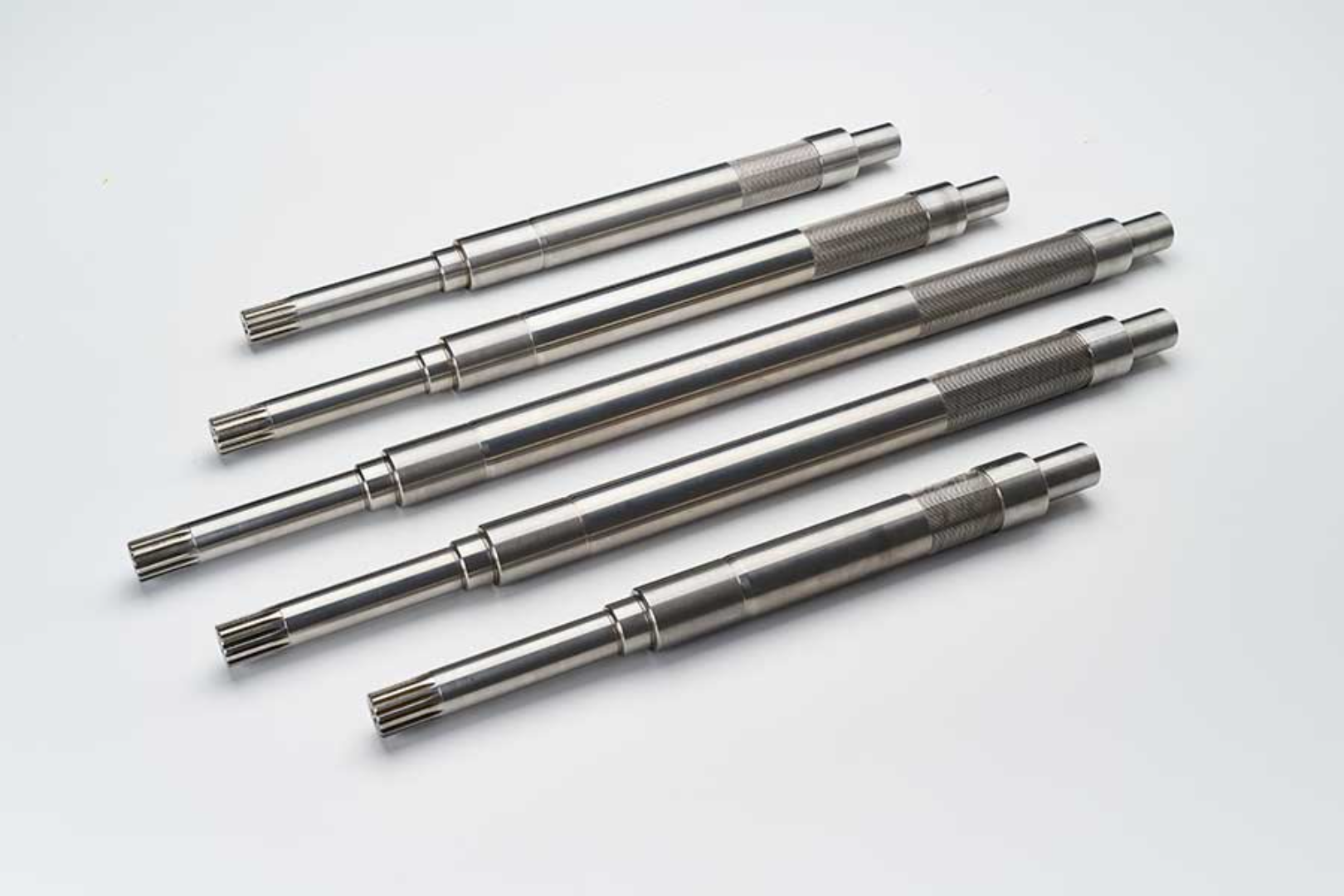
For hydraulic shafts, piston rods, pump shafts, and similar cylindrical components, alloy selection is only part of the specification.
Diameter tolerance, straightness, and surface finish can also become important.
Precision Ground Bars supplies pump shaft quality stainless steel in grades including 316, 410, 420, and 17-4 PH. Our pump shaft information also connects shaft applications with load, speed, diameter consistency, and straightness requirements.
The important sourcing lesson is to keep these attributes separate.
A corrosion-resistant alloy does not automatically have the required straightness.
A high-strength alloy does not automatically arrive at the correct diameter.
A ground bar does not automatically meet the final surface-finish specification.
The material and dimensional requirements should all appear clearly on the RFQ.
What Should an Aerospace Hydraulic Bar Stock RFQ Include?
A useful RFQ should identify the material first, then define the state and geometry in which the bar needs to arrive.
Depending on the component, include:
- Exact alloy and grade
- Required heat-treatment or material condition
- Bar diameter
- Required length
- Diameter tolerance
- Straightness requirement
- Required surface finish
- Required grinding, cutting, straightening, or polishing
- Quantity
- Component or application information when relevant
- Applicable drawing or engineering specification
This information allows the bar-stock requirement to be evaluated without assuming that one material attribute defines the entire component.
Choose the Metal From the Dominant Failure Risk
The best way to choose metals for aerospace hydraulic components is to identify what the component must resist first.
If high mechanical loading and corrosion resistance are both major requirements, 17-4 PH stainless steel may deserve consideration. When corrosion resistance carries more weight, 316 stainless steel changes the balance. When reducing aircraft mass becomes important, 7075 aluminum or a specified titanium alloy may enter the decision. Where high mechanical strength and heat-treatment response dominate, 4140 alloy steel provides another path.
None of those materials is automatically correct for every aerospace hydraulic part.
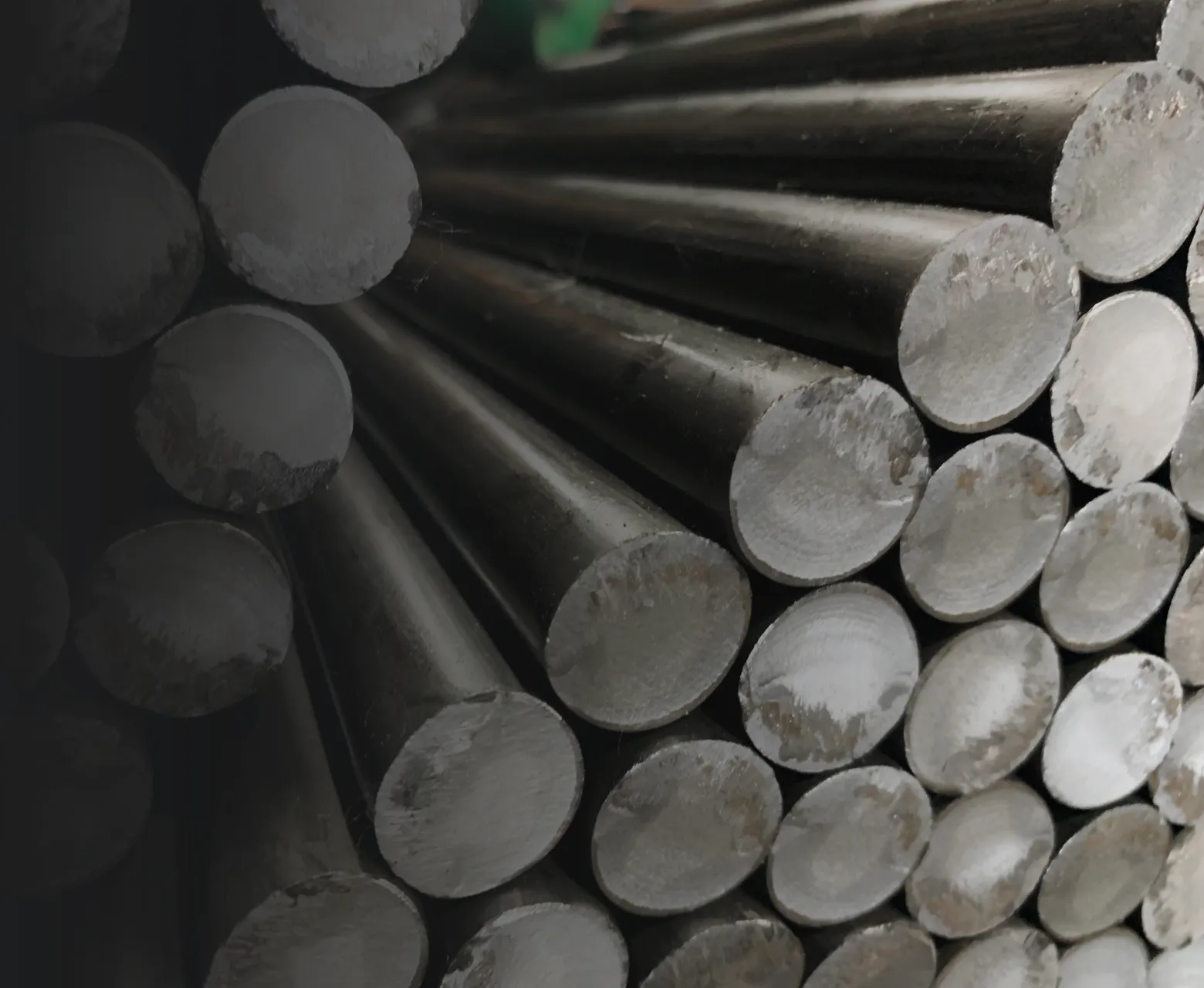
At Precision Ground Bars, we supply aerospace bar stock and precision ground materials for manufacturers that need defined grades, dimensions, straightness, and processing requirements. Send us the exact grade, condition, diameter, length, tolerance, surface finish, quantity, and processing requirements so we can evaluate the appropriate starting bar stock for your application.
FAQs
What metal is best for aerospace hydraulic components?
There is no single best metal. Selection depends on pressure-related mechanical requirements, corrosion exposure, weight, temperature, component geometry, and manufacturing requirements.
Is 17-4 PH stainless steel suitable where both strength and corrosion resistance matter?
Precision Ground Bars identifies 17-4 PH as a precipitation-hardening stainless steel that combines high strength with corrosion resistance and lists aerospace applications among its uses. The exact condition and component requirements still need to be specified.
Why might 316 stainless steel be selected for hydraulic parts?
316 stainless steel provides strong corrosion resistance, especially in chloride environments, and Precision Ground Bars lists valve and pump trim among its applications.
Why is 7075 aluminum considered for aerospace hydraulic components?
7075 provides a high strength-to-weight ratio and is used in aerospace applications. Precision Ground Bars also notes that it is less corrosion-resistant than some other aluminum alloys, so environmental requirements remain part of the selection.
Why is straightness important for hydraulic shaft stock?
Shaft and rotating-component applications can place additional importance on straightness and diameter control. These dimensional requirements should be specified separately from the material grade.